
Challenges in Transitioning Sites to Automation
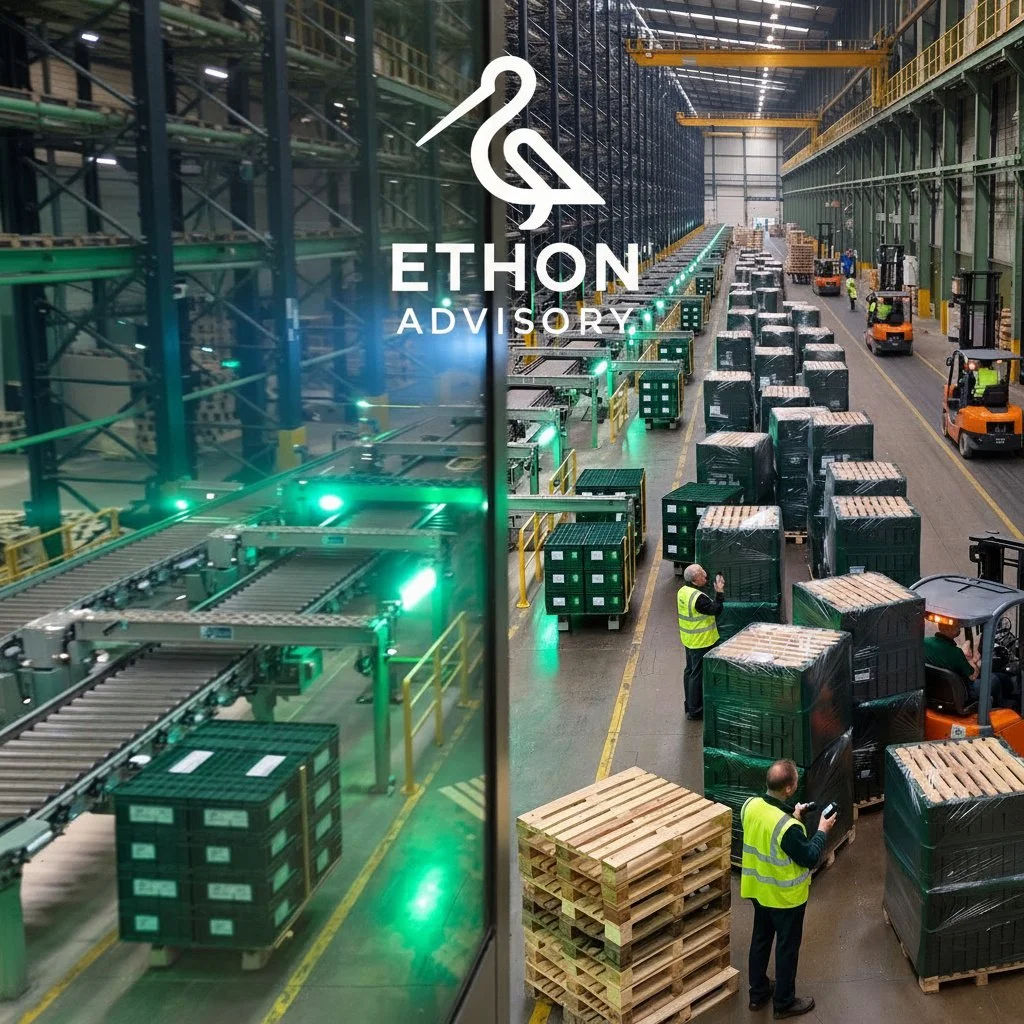
When transitioning your supply chain network, attention is naturally focused on the sites implementing the new technology, however there is a challenge when other sites are either going to be transferred much later or not planned at all.
How do you ensuring optimisation in one node doesn’t have a negative impact on the rest of the network?
Below are four areas for consideration:
Technology Changes that optimise the new site but does not consider the older sites, which may remove or change key functionality.
·Upstream Supply Chain changes that optimise the automation but have a negative impact on more manual sites. An example is changing how a supplier packs a container to suit an automated inbound, which could create rework for in a manual inbound environment.
The next node in Supply Chain changes in automation can impact how stock is despatched and therefore how this is presented at receiving for the next node. This could cause impacts to other sites, your freight or store network. Ensuring consistency is the key to avoid re-work at these sites due to distribution centre differences.
Customer Experience optimising your automation can have a positive impact on your customer experience with areas such as improved DIFOT, but stock presentation and value-added services can differ from manual. Consideration needs to be taken to ensure the customer’s experience is not impacted negatively.
The key is not to work in silos and to focus on your supply chain network planning and change management from an end-to-end perspective ensuring that the sites yet to transition are part of the picture.