
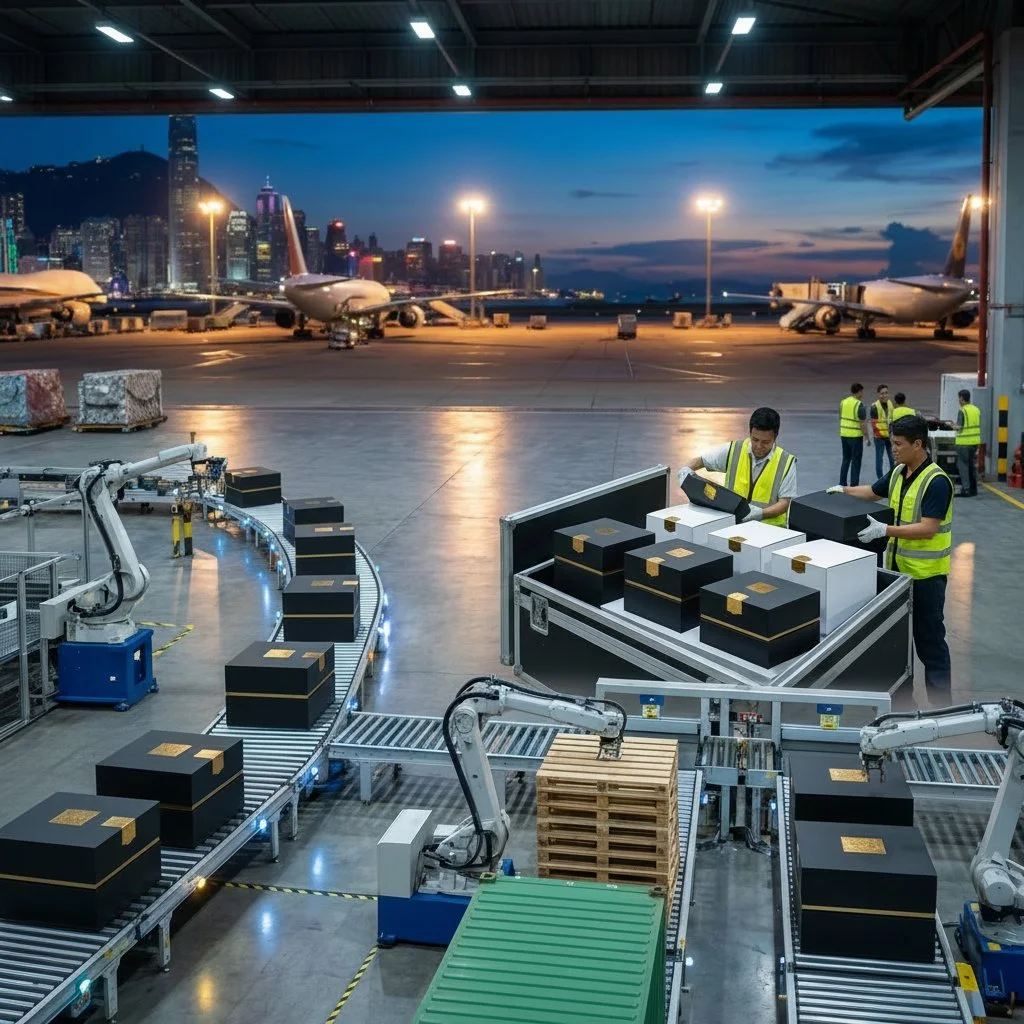
Luxury’s Second Life: The Rise of High-End Second-hand — and the Supply Chain Behind It
Luxury resale is no longer a niche sustainability story. It is a structural shift in the luxury operating model.
Behind the polished narrative of circular fashion lies a far more complex reality: fragmented inbound flows from thousands of private sellers, authentication as a throughput constraint, unique SKU handling, value-based inventory management, and cross-border compliance risk embedded in every transaction.
Reverse logistics in high-end secondhand is not simply “retail in reverse.” It is a fundamentally different discipline — one that demands precision, control, and strategic clarity.
Asia is emerging not just as a demand market, but as a redistribution engine within the global circular luxury network. At the same time, brands are entering resale directly, forcing board-level decisions about operating models, vertical integration, authentication ownership, and automation strategy.
The next phase of luxury will not be defined by brand alone — but by execution capability.
Circular luxury requires more than ambition. It requires a supply chain designed to manage variability, value, and risk at scale.

Organisational Change Management: The Talent You Need May Already Be There
As supply chains continue to automate, labour challenges are intensifying—rising costs, unfilled shifts, and workforce fatigue are becoming the norm. Yet the solution isn’t always external hiring. A structured approach to Organisational Change Management often reveals untapped capability already within the business. By focusing on competencies rather than job titles, organisations can upskill, redeploy, and prepare their teams to succeed alongside automation—safely, sustainably, and at speed.

Why DEI Matters More Than Ever in Supply Chain and Logistics
Diversity, Equity and Inclusion isn’t a side project for modern supply chain and logistics organisations — it’s a strategic necessity. In an industry defined by global complexity, cultural diversity and constant disruption, the strongest companies are those that harness the full breadth of human experience in their teams. As a white, gay man now living between London and Sydney, with a career spanning Europe and Asia Pacific, I’ve seen how inclusion — or the absence of it — shapes everything from decision quality to team performance. My work today focuses on building DEI strategies that not only strengthen workplace culture, but deliver measurable, board-level financial outcomes. Because when leaders treat inclusion with the same seriousness as operational excellence, DEI becomes more than a value. It becomes a competitive advantage.
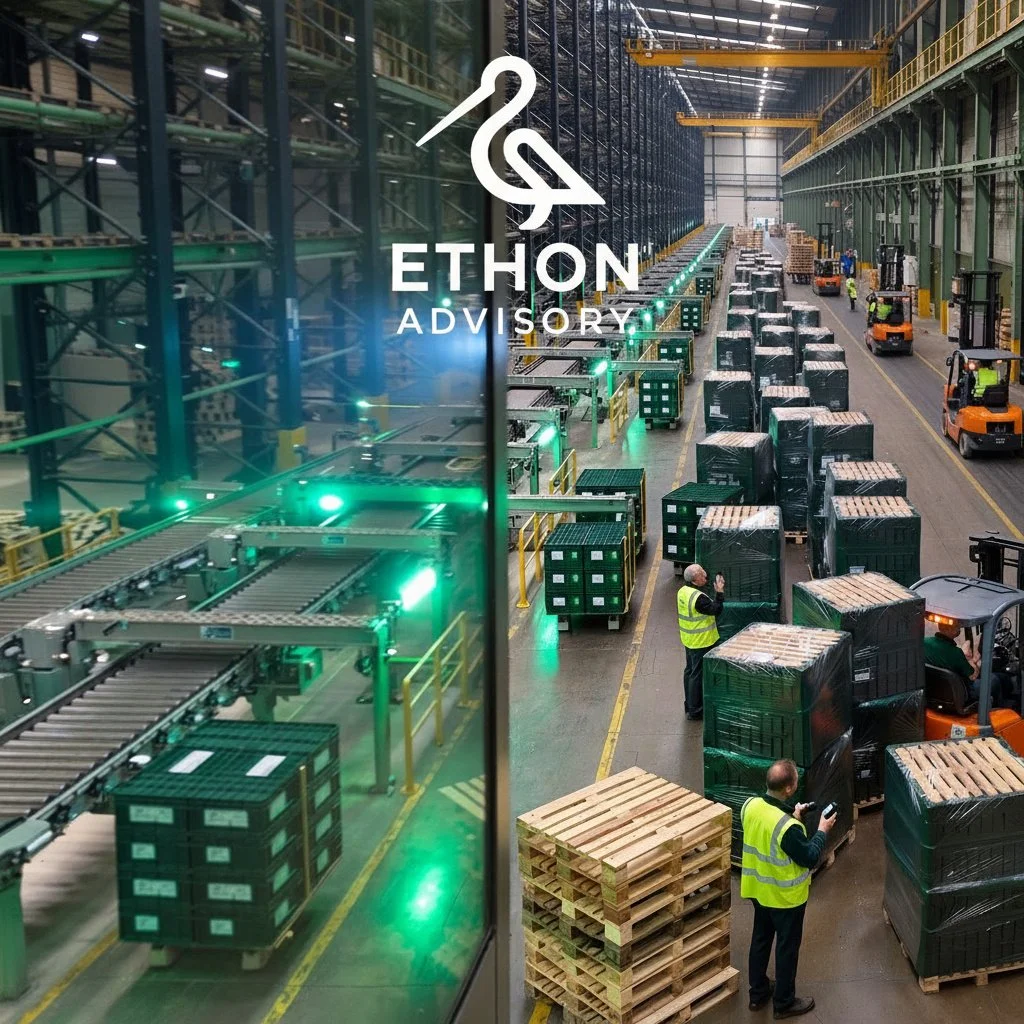
Challenges in Transitioning Sites to Automation
Optimising one supply chain node in isolation creates risk across the network. Automation gains at one site can drive inefficiencies upstream, downstream, and in customer experience if legacy operations aren’t considered.
True transformation requires end-to-end network thinking, not siloed optimisation. Every site, automated or not, must be part of the design.

Right Stock. Right Place. Right Time — And Available When Customers Want It
Retail success isn’t just having the right stock in the right place at the right time — it’s ensuring it’s available for sale when customers expect it. When warehouse changes shift complexity downstream, stores absorb the cost through rework and reduced availability. End-to-end supply chain design and store-ready automation close the gap.

In 2025, Assurance Shaped the Biggest Projects. In 2026, It Will Define Them.
2025 showed that the biggest risks in major transformation projects come from unchecked assumptions, not technology. In 2026, assurance becomes central—defining credible business cases, robust tenders, practical designs, and delivery-ready organisations. It’s no longer about reducing risk after decisions are made, but about ensuring decisions are defensible from the start.

Why Quick Wins Matter in 2026 Project Planning
Quick wins should be the starting point for 2026 project planning because they stabilise operations, reveal hidden constraints, and generate fast ROI—creating the clarity and confidence needed for larger investments. By resolving immediate bottlenecks and strengthening the operational baseline, organisations reduce risk, sharpen their requirements, and make better-informed decisions before entering major design or tender phases. In a year of heightened scrutiny on performance and spend, quick wins aren’t just helpful—they’re a strategic advantage.